Field Notes · 6 min read
Renovating a Queenslander without losing its soul
Published March 2025
Five principles we use on every Queenslander renovation to keep the character intact while bringing the home into the present.
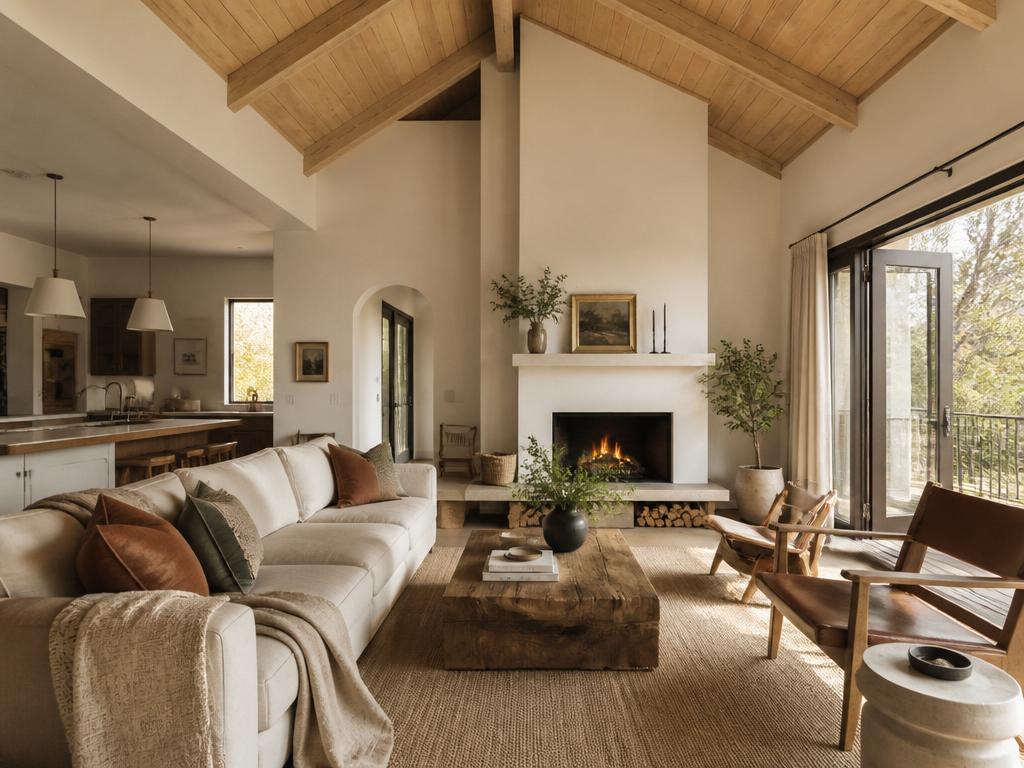
There is a particular feeling to walking into a well-loved Queenslander. The light through the casement windows, the soft give of timber underfoot, the smell of warmed silky oak. Our job, when we extend or renovate one, is to leave that feeling intact.
Start with the bones, not the brief
Before drawing a single line, we re-stump, level and document every existing detail. Original VJ panelling, French casements and silky oak architraves are catalogued and either retained or replicated.
- ✦Re-stump and level before design
- ✦Document original profiles
- ✦Match new joinery to original timbers
- ✦Hide modern services in framed cavities
“A good Queenslander renovation should be impossible to date — you should never quite know which decade did which work.”
Plan for the climate, not the trend
Cross-ventilation, deep eaves and well-positioned ceiling fans do more for comfort than a larger split system. We design every renovation so that on a 32°C day, the house works without the air-conditioning on.
| Element | Original | Renovated |
|---|---|---|
| Floors | Tongue & groove hoop pine | Sanded & oiled, retained |
| Walls | VJ pine | VJ pine, painted bone |
| Windows | Single-glaze casement | Casement with insect screens |
Frequently asked questions
Most bathrooms run 4–7 weeks; kitchens 5–9 weeks; whole-home renovations 4–9 months depending on scope. Every quote includes a fixed-program calendar.
Yes. Every B&Y project is delivered under a detailed fixed-price contract with no hidden costs. Any variation is priced and approved before work proceeds.
We are fully licensed by the QBCC, hold public liability and home warranty insurance, and provide documentation up-front.